Robert's Ramblings is my place to show my passion for this amazing world.
Images, words and insights are my way of sharing that passion.
Welcome to my blog.
Wednesday, May 1. 2024
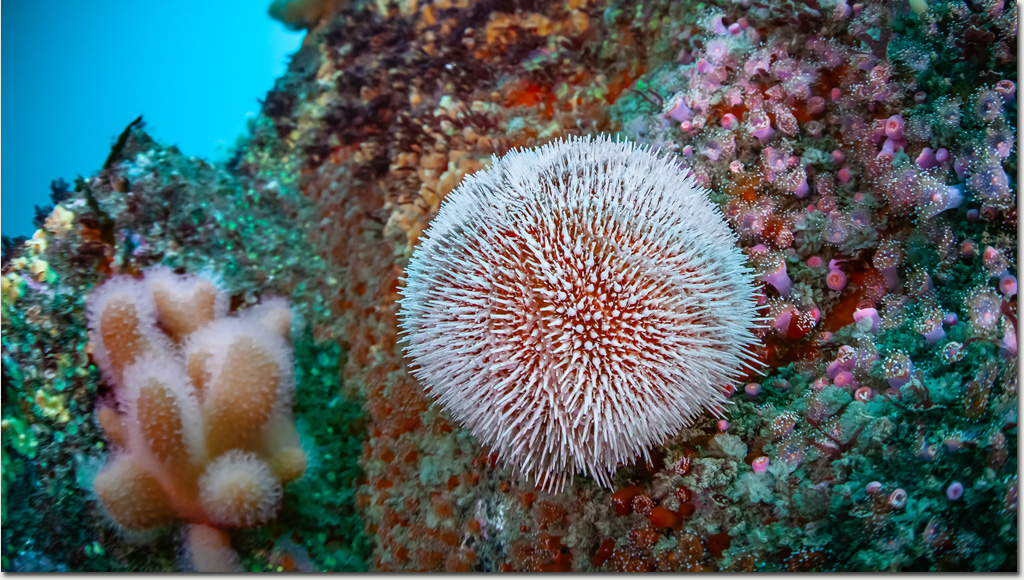
Edible Sea Urchin
Living in Ireland has provided many firsts for me and my dives with Inbhear Sceine Kerry Sub Aqua have been no exception.
I’ve experienced new underwater sights and sounds with my favourite Southern Australian ‘usual suspects’ being replaced with an entirely new cohort of marine species I am eager to make my acquaintance with.
For the time being at least I’m acclimatising to the 10 degC water temperature, and still tuning my gear, but a couple more dives should see most of those issues sorted (aside from the cold).
For now at least I can share another first, it may not be anything spectacular but here is my first published image from under Irish seas, the Edible Sea Urchin (Echinus esculentus).
#Echinusesculentus #seaurchin #underwater #scuba #diving #ireland #kerry #critters #echinoderms #edibleseaurchin
Monday, April 22. 2024
Skellig Reunion
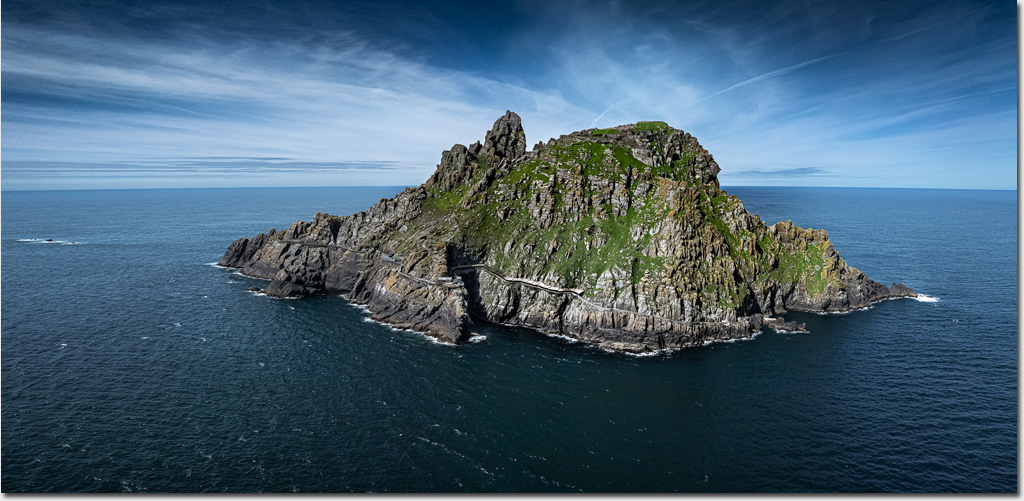
Nearly seven years ago I got to circumnavigate the famous Skellig Michael off the south west coast of Ireland, symbol of the archangel Micheal and spiritual haven of the Mainistir Fhionáin monks that made this sacred rock their home.
I planned to return one day with the anticipation of climbing to its pinnacle.
Last Saturday was the reunion I never imagined.
We’ve been in living Ireland nearly four months now and like a fish out of water I’ve been pining to dive again, trading a South Australian sea for an Irish one. Considering the colder water and lack of familiarity with diving in Ireland I’d almost resigned to my first Irish dive being something simple and tame, a shake down and ‘get used to it’ dive.
Then I got a text from Micheal! (not the archangel, but can I really be sure?)
“Hi Robert, me and the lads are diving Skellig Micheal this weekend and we’d love to have you along.”
To cut the rest of my story short, my first Irish dive was anything but tame and simple, an adventure beneath Skellig Micheal.
Thank you Micheal, John, Richie, Ellie, Nigel and Gearóid of the Inbhear Sceine Kerry Sub Aqua Club for looking after me and making my first Irish diving simply extraordinary.
#adventure #crag #freedom #ireland #island #kerry #ocean #portmagee #skelligmichael #diving #travel
Wednesday, April 17. 2024
The Irish Elk of Cork
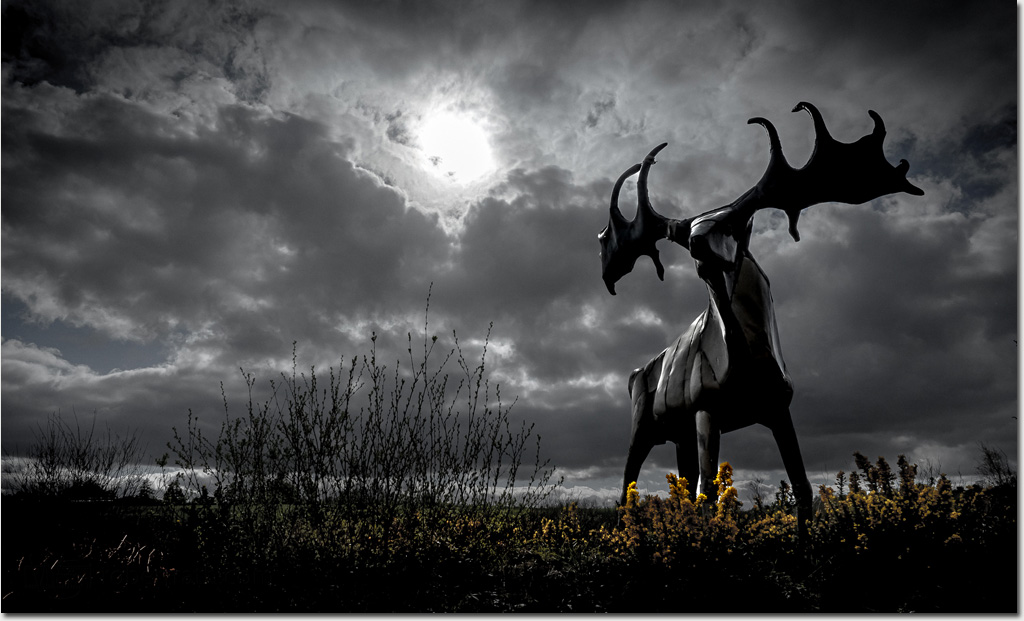
No one has actually seen a living Irish Elk for 8,000 years but once they were abundant here as well as on much of continental Europe. With an antler span of 3 to 4 m they would have been spectacular to behold.
Nearly 40 years ago, Cork artist Kevin Holland brought the great Irish Elk back to life as a bronze effigy overlooking the N20 road between Cork and Mallow. For twenty years I’ve been wanting to photograph that stag with never quite the opporunity.
Today I finally have.
#Kevinholland #ireland #cork #irishelk #sculpture #bronze #silhouette #aerial
Sunday, April 14. 2024
Irish Moonshine
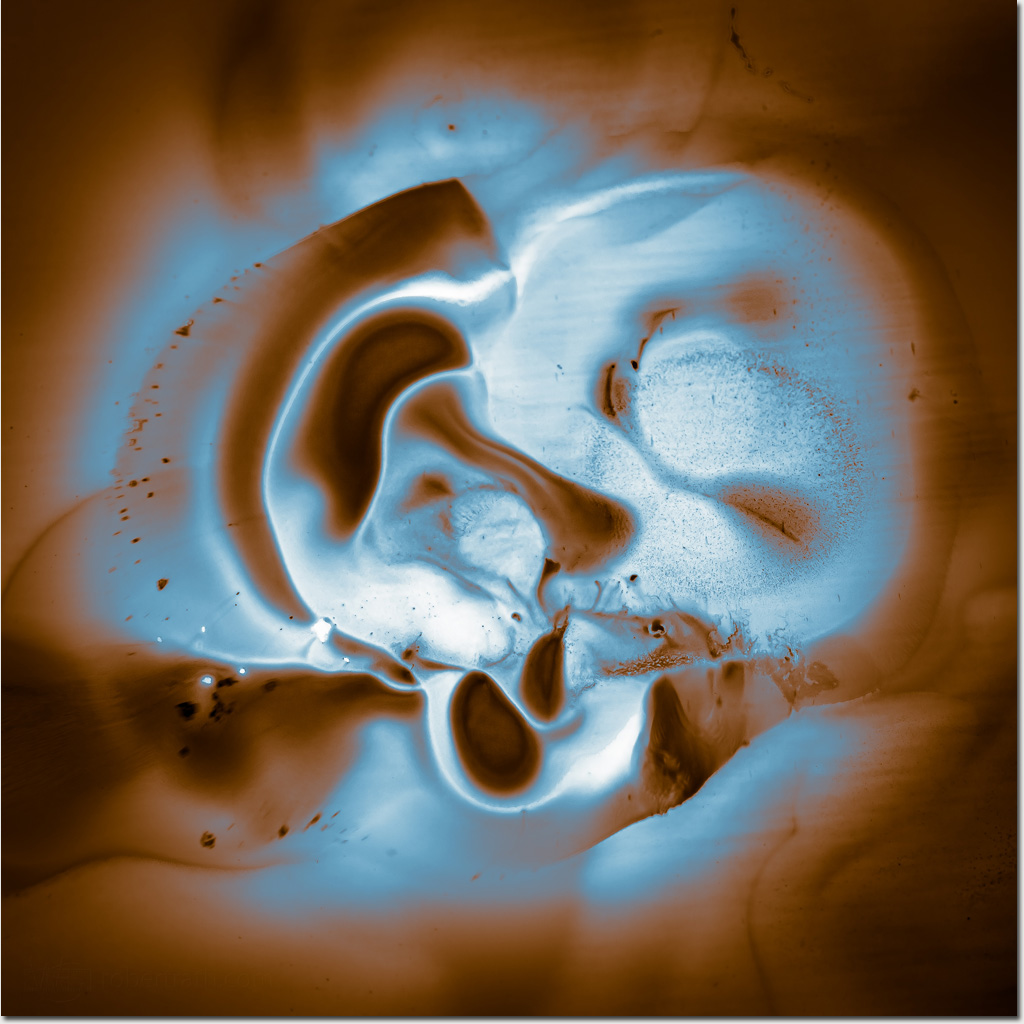
On a recent ‘Create Day’ with the Mallow camera club we explored crazy things like photographing spilled ink in puddles of potcheen.
The process was very simple, pour the potcheen onto blotting paper (with optional nip when no one’s watching), place drop of coloured ink onto the wet and changing paper, take a photograph, pour again, have another nip and repeat.
The constantly moving patterns were quite mesmerising and the challenge was knowing when to stop.
Of the many weird photographic endeavors explored that day we only got a taste (no pun intended) of each but enough to wet the appetite to do it all again.
#Abstract #colour #patterns #mallowcameraclub #createday #potcheen #moonshine
Friday, April 12. 2024
The Brightness of it All
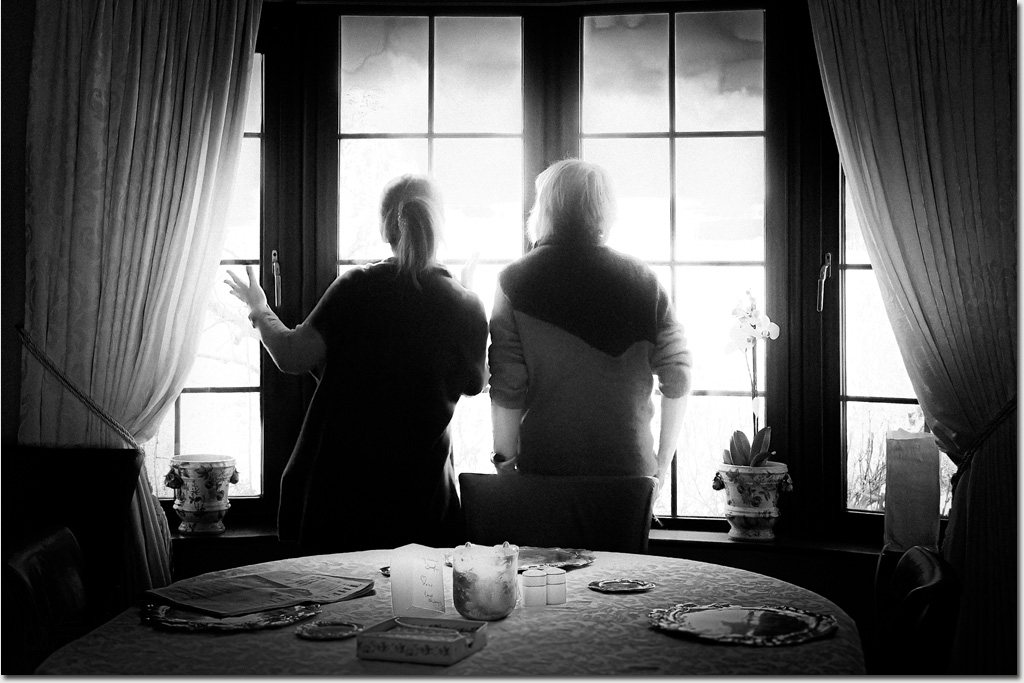
This candid and beautiful moment between two sisters will be forever theirs and no one else’s. Whatever their thoughts, and wherever their hearts, the brightness of the world outside provides everything needed; hope, gratitude, family, friendship and comfort.
It’s not all about landscape, natural beauty and an unblemished world. The light comes first, the heart and mind are drawn to it, and momentarily we become part of the brightness of it all.
#Silouette #jennifer #susan #sisters #home #window #contemplation blackandwhite
Wednesday, April 10. 2024
Orb of Dromaneen
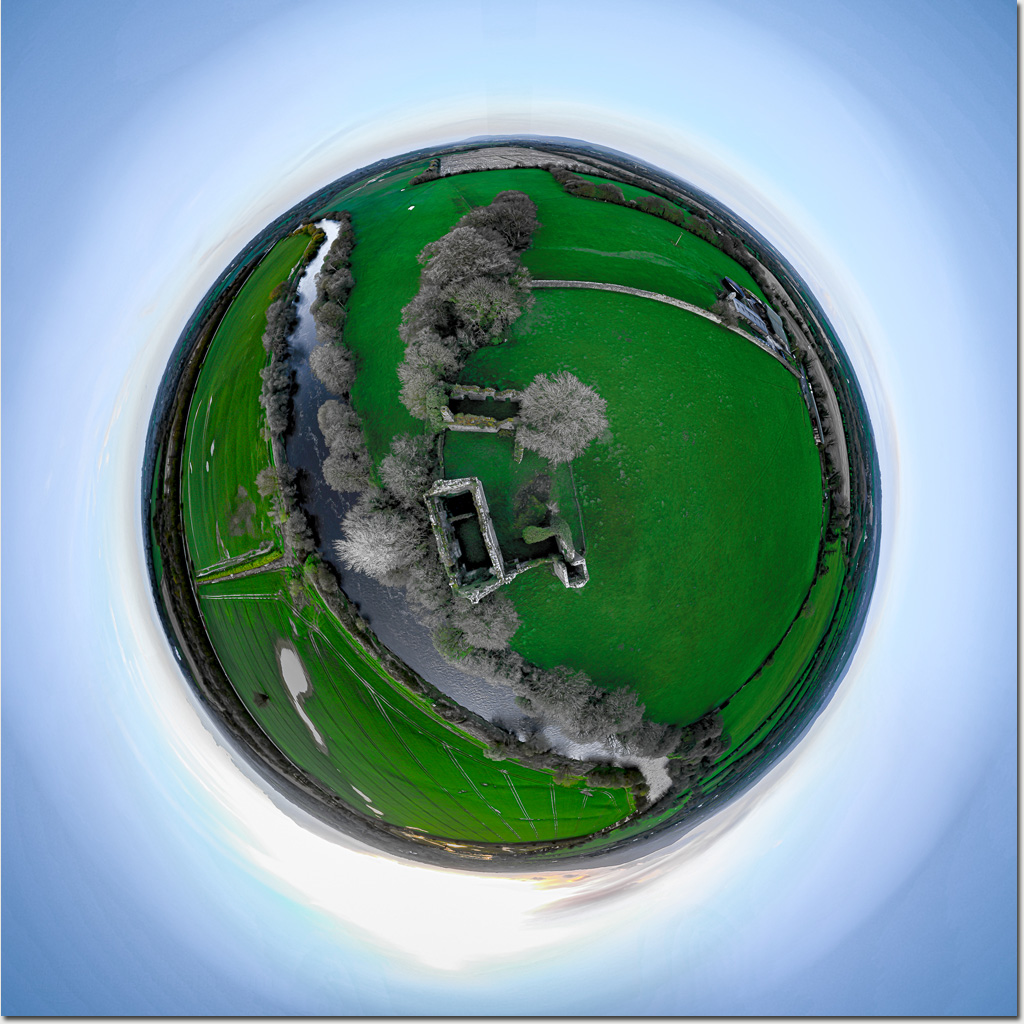
I first photographed Dromaneen Castle on banks of the Blackwater river back in 2015. At that time, besides my camera, my most important piece of equipment was a solid pair of ankle high waterproof boots. Those boots were marginal dealing with the mud and the cow manure on route through the fields and knee high wellingtons would have been a better choice.
This time round, despite being in the midst of Storm Kathleen, I found a break in the weather to put my camera up where no cow patty could foul it and capture this birds eye view along side of the, ‘not so meandering’, Blackwater river just out of Mallow.
Dromaneen Castle is said to have been built by Caher O’Callaghan in around 1610 to replace an older tower fortification of the ancient O’Callaghan clan. However, it was soon lost to the English during the Eleven Years' War (Cogadh na hAon-déag mBliana) and was never occupied by an O’Callaghan again.
To this day the O’Callaghan’s of Longueville House, on the other side of the Blackwater, have the ruin of their former castle remind them of Ireland’s, and their own, volatile past.
#Ireland #travel #aerial #dromaneen #castle #ruin #O’Callaghan #blackwater #river #tinyplanet #Longueville
Monday, April 1. 2024
Two Yews at the End of the Rainbow
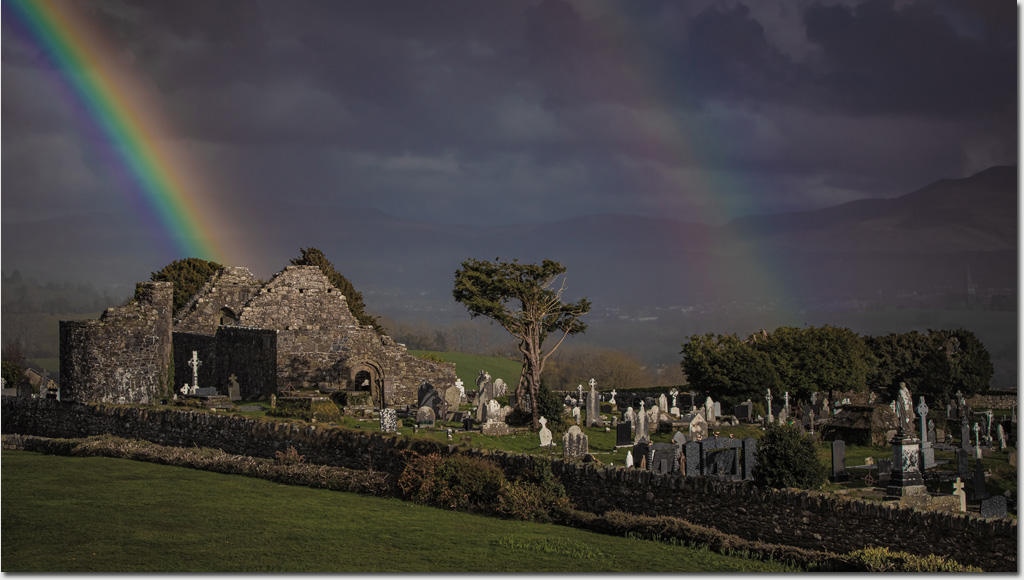
Our Easter Saturday treat was witnessing this beautiful rainbow descent upon ancient Acha Dá Eo, ‘The field of the two yew trees’.
This place, now known as Aghadoe, is very old and dates back to pre-Christian Ireland. The Aghadoe church and cemetery as we see it now is a relatively young 866 years old.
From here the view is a breathtaking mix of modern and ancient humanity with the town of Killarney below, beautiful Loch Leane beyond and the distant Kerry mountains as a spectacular backdrop.
Even without the rainbow, this place is gorgeous.
#ireland #aghadoe #kerry #killarney #travel #history #ruins #church #cemetery #rainbow
Wednesday, March 27. 2024
Portrait Through a Bedroom Window
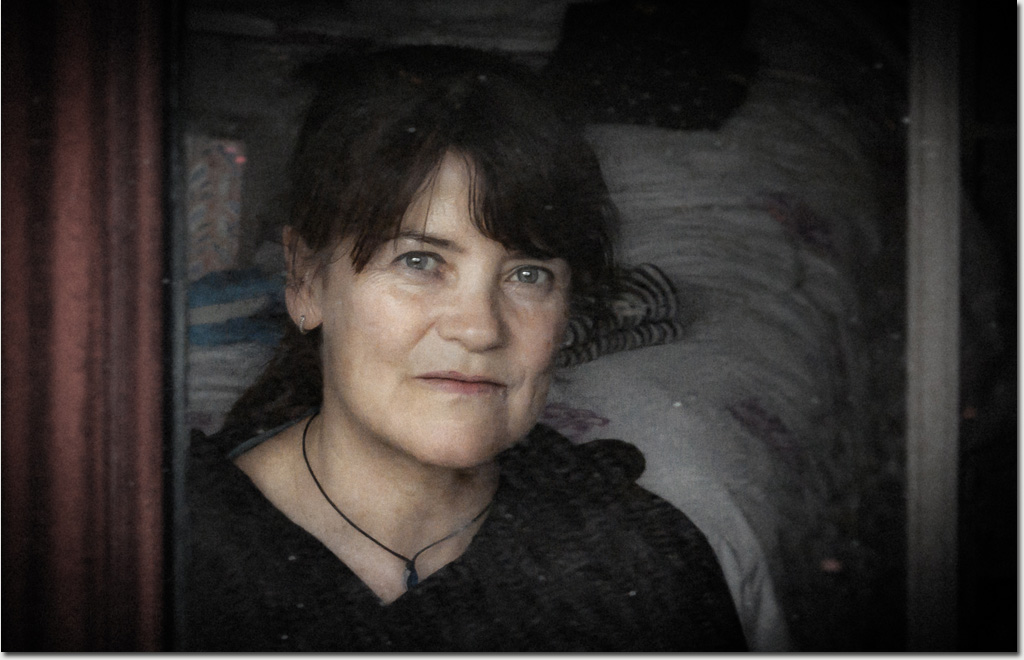
It began as a bit of experimental fun capturing images through windows but the angles just did not work for me standing outside, and looking in. In changing my perspective, both in my thinking and in my geometry I brought out my flying camera for a fresh look.
From this high vantage, looking down and in, I have captured Jennifer’s musing gaze and a sense of the room inside, while the rain grimed window pain reminds me she’s cosy in there while I’m out in the cold and drizzle.
Despite the issues of privacy, and public perception, there is so much more creative opportunity now with accessible aerial photography. Yes and unashamedly this bedroom window portrait is, I confess, a candid drone shot.
#aerial #drone #portrait #people #jennifer #bedroom #window
Monday, March 25. 2024
Paddysphere
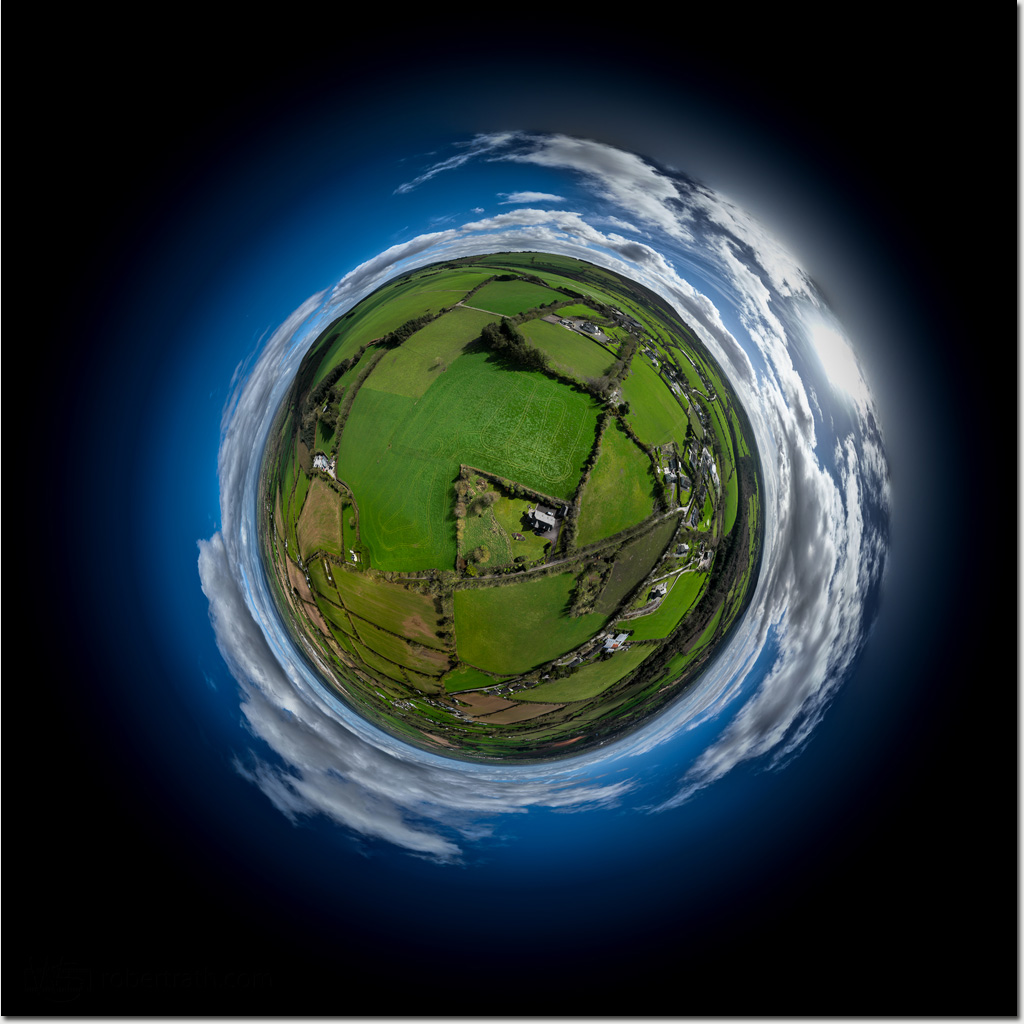
I know this style of image has become a bit ho hum but it’s a celebration so why not.
First it’s taken on St Patrick's Day, a good enough excuse for any craic really.
Second it was the first nice day I’d seen in weeks of cold, wet rain and wind.
Third, it was my first time since we arrived in Ireland last year that I’ve been able to spend time outside wearing a t-shirt, even if was only for 30 minutes.
And to wrap it up up, when this green landscape get lit up, it’s absolutely gorgeous.
Not sorry for the Paddysphere, and not sorry for the ones to come.
#Ireland #tinyplanet #panorama #emeraldisle #aerial #drone
Sunday, March 17. 2024
Frozen
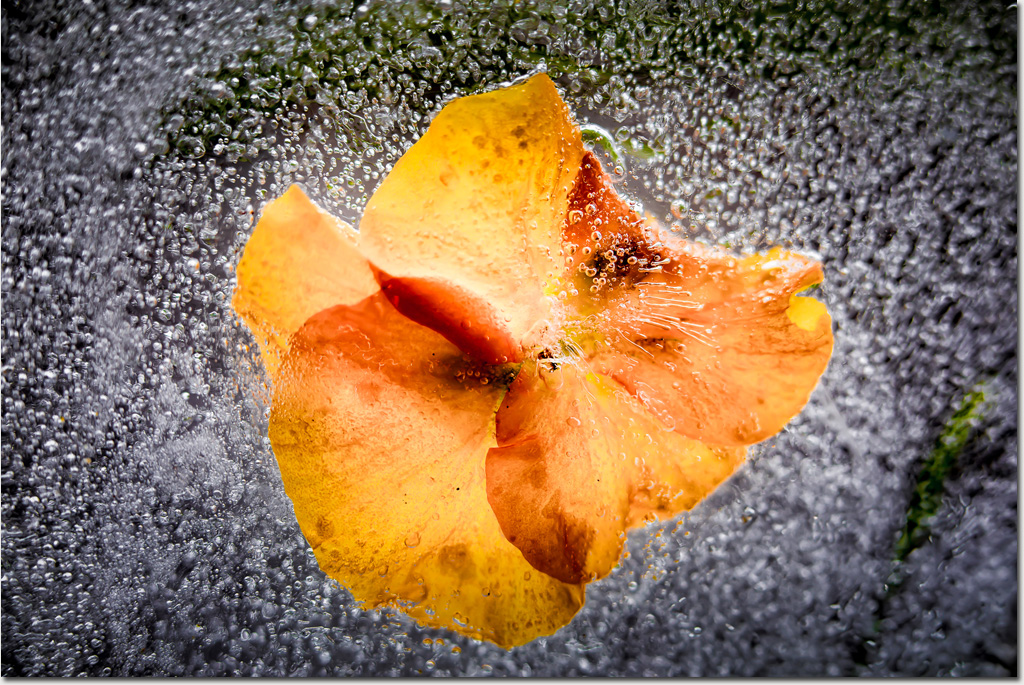
Lisa loves to freeze things and photograph their thaw. She's good at it and was eager to share this passion by preparing blocks of ice entombed frozen flowers.
It was now up to to us to interpret their thaw any way we liked. Aside from all the obvious creative possibilities there was something timeless about just watching and waiting as slowly the petals came to the surface, and finally fell limply away.
It seemed somehow sad watching these frozen moments in time being released, only to collapse and be swept away with the dross of the day.
#abstract #orange #petals #flowers #frozen #creativity #mallowcameraclub #ice #createday
Friday, March 15. 2024
Dungeon Duty
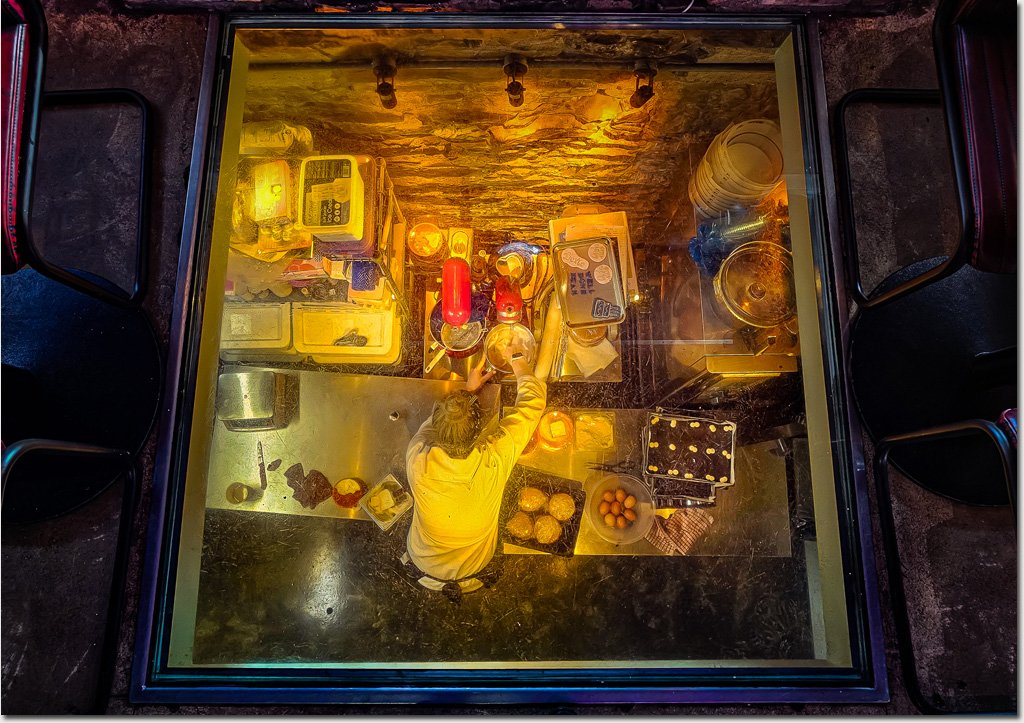
How often have you found yourself sipping an extraordinary coffee while looking into the dungeon below watching the minions creating your next magical chocolate brownie. The only question lingering on your mind is whether to order a second coffee when those brownies are ready!
If you’ve never had such an experiences then you are just not trying, not imaginative enough, drinking the wrong kind of coffee or just unlucky.
Seriously though this industrious woman’s baking below is the reason I can’t wait to return here for another extraordinary coffee and another of her dungeon baked magical chocolate brownies.
#Dungeon #baking #cafe #lab82 #bakery #cellar #cooking #brownies #coffee #cork #baker
Thursday, March 14. 2024
Coffee, Cake and Ducks
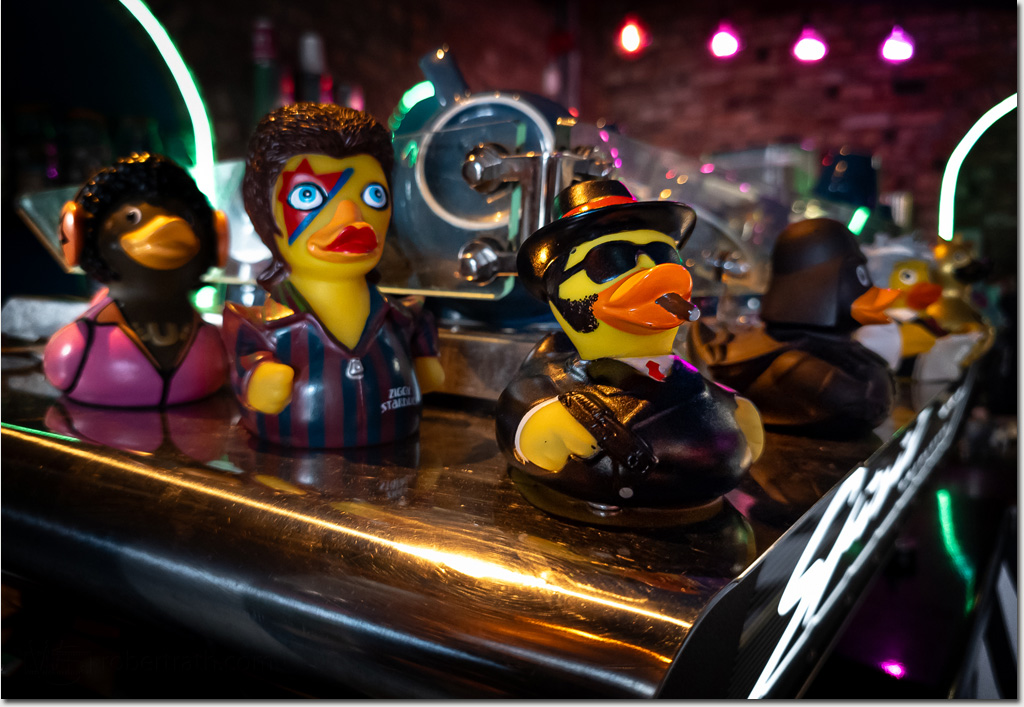
There is this little project I’m a part of that involves generating random co-ordinates for a location somewhere on the planet, being randomly given the name of some great photography master as inspiration, going to said random place on the map and doing something creative to what I found there.
Can you imagine my surprise finding myself exactly dropped into a Cork coffee shop with the rain lashing down outside. The deities must have been smiling on me that day!
The coffee shop, ‘Lab 82 Coffee’, was fun and quirky beyond any expectation with one of the best coffees I’ve tasted and brownies to die for. Those deities really went to town for me!
This image is NOT part of my project. It’s just a little taste of the quirkiness of this place and for people who like coffee, cake and ducks.
#Lab82coffee #cork #cafe #ducks #ziggystarduck #duckvader #alcapoduck #art #abstract #stilllife #lab82
Wednesday, March 13. 2024
Blue Beneath
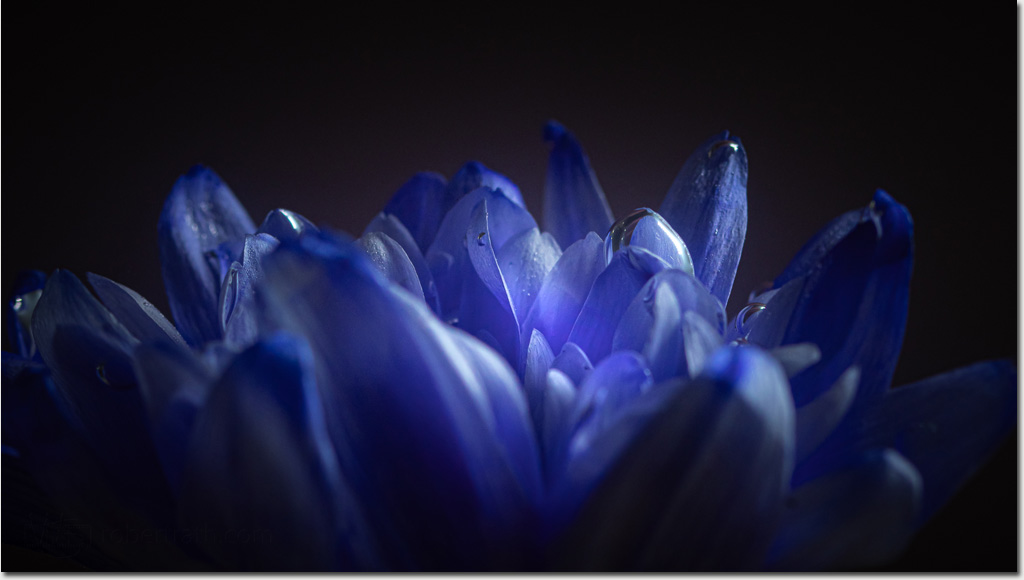
Saturday I spent time with the local camera club at their ‘Create Day’. We explored crazy things like photographing melting ice, submerged flowers, oil slicks on water, and multiple exposures with subjects and textures.
This beautiful blue chrysanthemum was placed in a fish tank before being bombarded with various coloured liquid substances. All of this was very interesting and made for some quite dramatic images. I think however I liked this one the best, peacefully submerged, a few clinging bubbles of air, oblivious to what is about to happen next.
Thank you Viv, Paul, Lisa and Joy for a fun, creative and very different day out!
#chrysanthemum #underwater #creativity #mallowcameraclub #abstract #blue #flowers
Monday, March 11. 2024
A Little Miracle In Pallaskenry
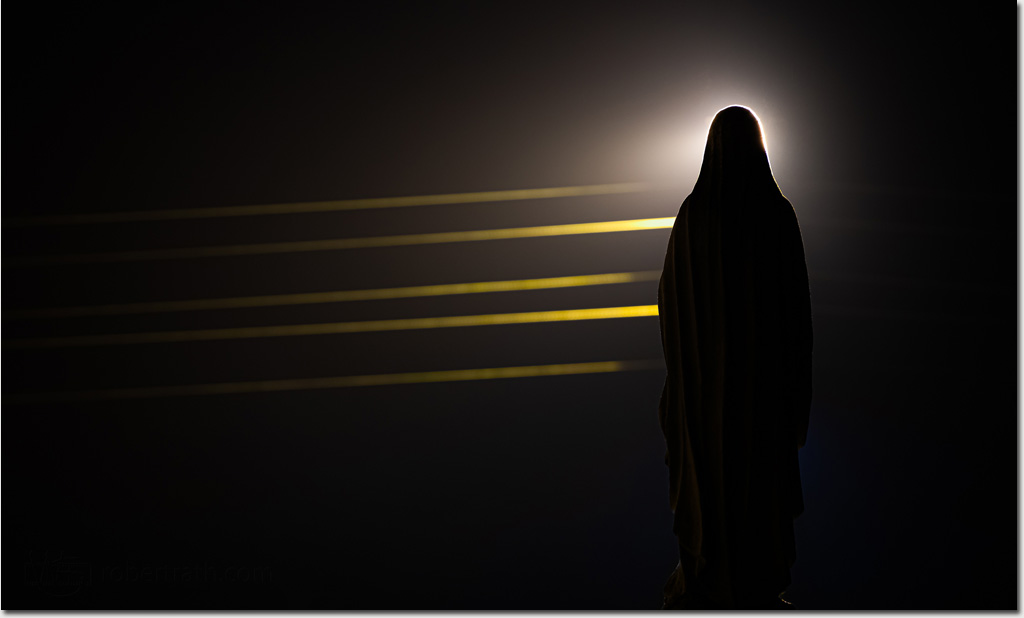
Friday night, for reasons nothing to do with photography, I found myself in the little Irish town of Pallaskenry with around an hour of free time. Never having been there before, and knowing nothing about this place, I set off down the main street looking for something interesting to photograph.
I soon found Saint Mary's Roman Catholic Church, a Gothic Revival church on the edge of town where I began with the statue of St Brigid as it was well lit by the street.
To the rear of the church I noticed a large mound upon which stood the statue of the Virgin Mary with her silhouette in sharp relief on the rear wall of the yard. This I thought would make for an interesting image so I made my way to the back of the yard, turned around, and was greeted by this amazing sight.
The Lady did not move, she remained as still as stone, but I to me this unexpected vision was a little miracle indeed.
#pallaskenry #saintmarys #church #ireland #night #photography #silhouette
Tuesday, February 6. 2024
Mallard Mayhem
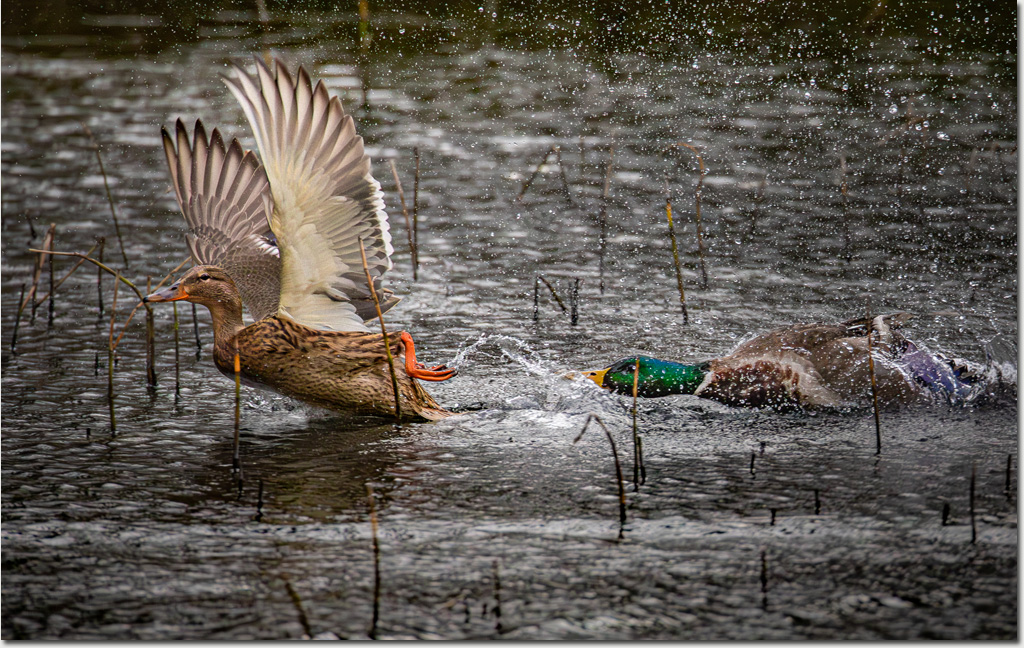
This guy engrossed in his own personal bathing antics attracted the interest of a young lady eager to see what all the fuss was about. But, when she ventured too close he was clearly not happy.
She persisted a few moments but when he got aggressive she was out of there!
A short while later another young lady turned up and was met with a very different reception.
#anasplatyrhynchos #ducks #ireland #donerailepark #mallard #doneraile #waterfowl #birds #courtship
Monday, February 5. 2024
Mallard Magic
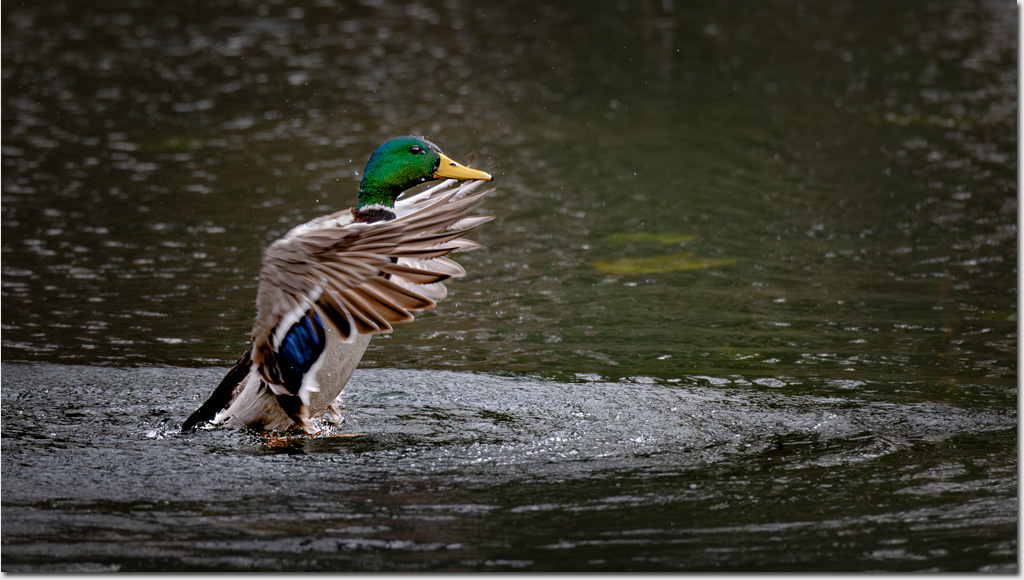
I took a big gun of a lens into Doneraile Park today to see if size really matters.
The pros are obvious of course in being able to get closer to the action. The cons don’t become obvious until you have been holding that camera and lens for a few minutes. It’s a heavy setup and really hampers being dynamic.
In the end for practical reasons I put the camera on a monopod and simply waited for something to happen. And something did happen. A gorgeous mallard flew into the pond and preceded giving itself a bath. Just magic.
Today at least size mattered but I’ll need to build my upper body strength if I am going to make a habit of it.
#anasplatyrhynchos #ducks #ireland #donerailepark #mallard #doneraile #waterfowl #birds
Sunday, February 4. 2024
Emerald Planet
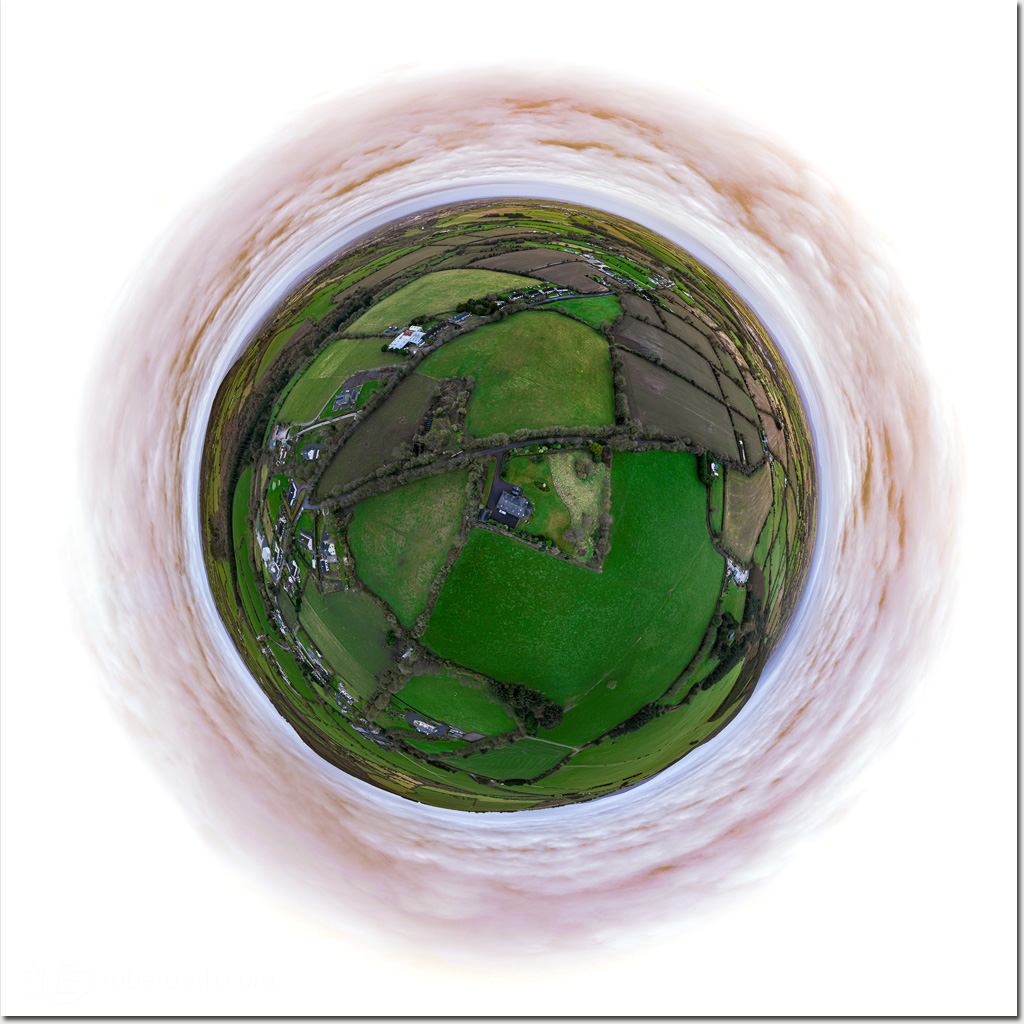
We’ve been living in ‘The Emerald Isle’ for six weeks now and Ireland’s poetic namesake is as true as ever. Despite it being in the middle of winter with most trees being bare, the lushness of the grassy fields makes everything as green as ever.
I’m told the weather can only get better from now on but really arriving into an Irish winter has been kind of fun with the incessant and unpredictable rain, the frozen white frosted mornings, and the occasional peeking through of the sun from rents in a sky shrouded in cloud.
So just for a bit of extra craic here’s our tiny little emerald planet, on a pale blue dot, somewhere in the universe. Our new home.
#Ireland #tinyplanet #panorama #emeraldisle
Monday, January 29. 2024
Bibliotherapy
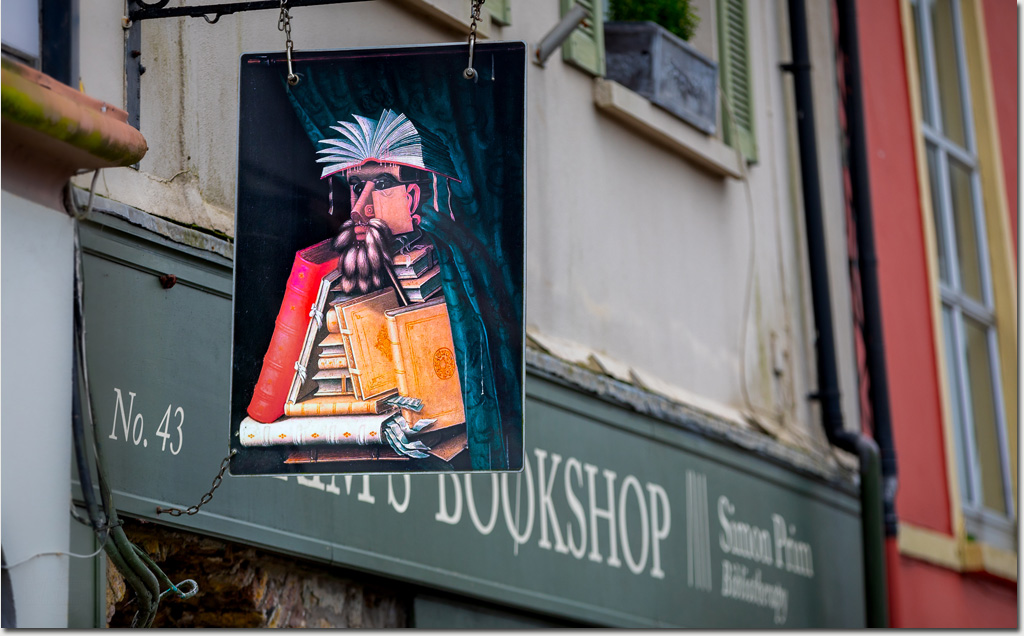
Have bookshops now entered the world of quirky eccentricity?
It seems like only yesterday experiencing the novelty of buying a book through Amazon for the first time and now its almost all digital whether screen or audio.
I noticed Simon Prim’s bookshop in Kinsale and the word ‘Bibliotherapy’ in the signage and it made me think about the role books and bookshops now have in our digital world.
Having a place where you can explore books, hold them in your hands and feel the weight of their pages as you turn them; where words transport us to other places, other times and other lives, is perhaps a therapy we all could use a little more of again.
#simonprim #kinsale #bookshop #books #street #bibliotherapy
Sunday, January 28. 2024
Reflection
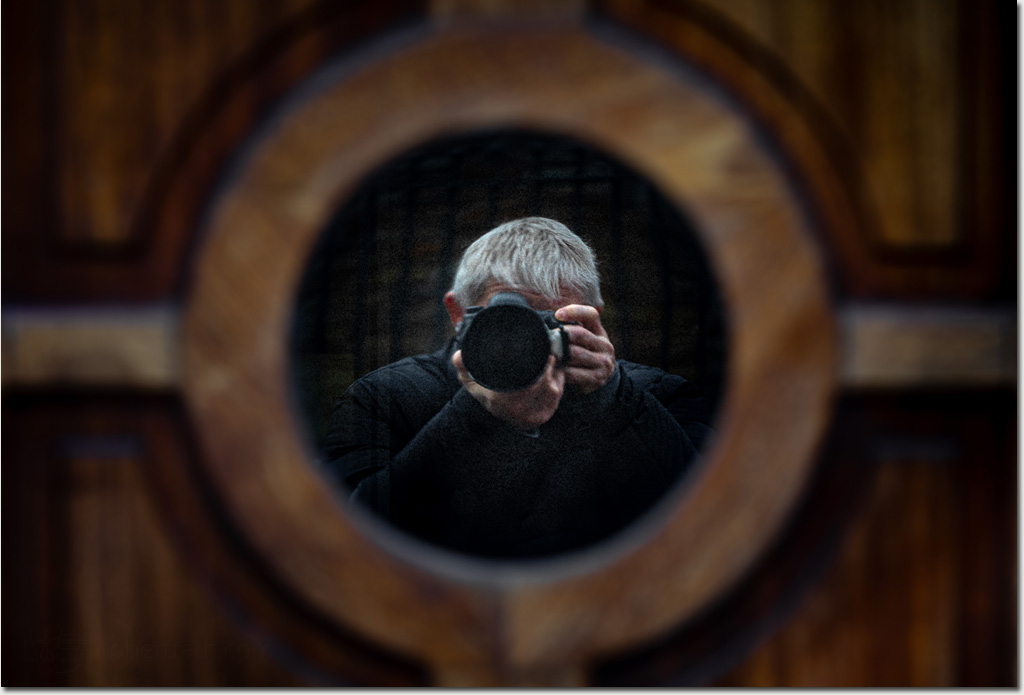
Reflections, reflections everywhere.
Reflections on the water painting squiggly lines of sailing boat masks.
Reflections in shop windows of passersby on the other side.
Reflections in car windscreens of street lights above.
Reflections in doorways of a stranger behind a lens.
Reflections, reflections everywhere.
#Selfie #kinsale #selfportrait #reflection #abstract
Friday, January 26. 2024
Black-headed Gull
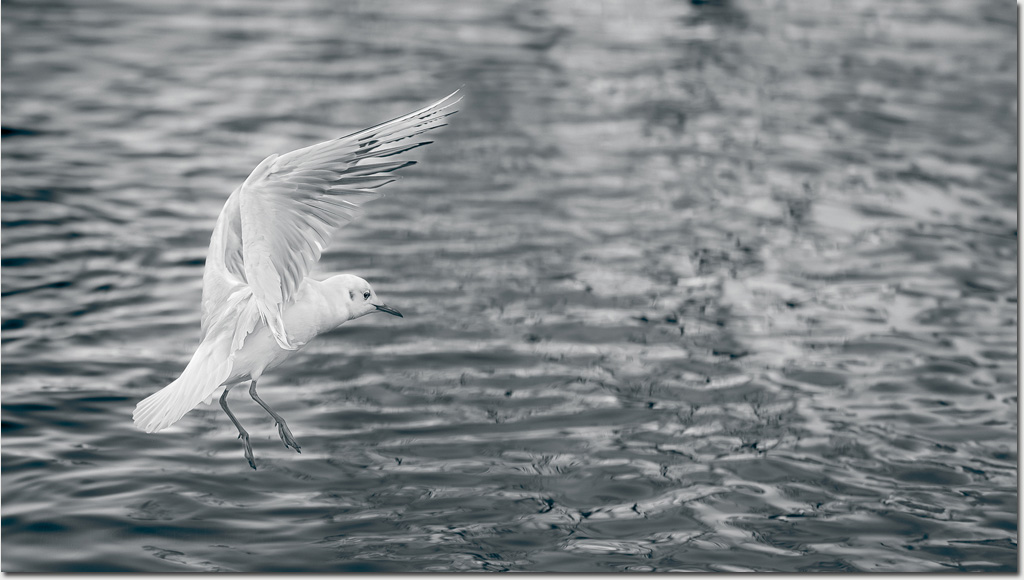
The curious thing about the Black-headed gull is that it changes its head from white with a dark smudge to a full black-brown cap when it’s in the mood.
This guy playing with his mates on the shores of Loch Leane is probably only interested in one thing right now, tidbits from visitors! Come breeding season he’ll don his black cap, find a black capped mate and the two will stay that way for the duration.
When parenting is over for the year they’ll leave their black caps in the empty nest and head out into the world again.
#ireland #killarney #landscape #lochleane #seagulls #blackheadedgull
Wednesday, January 24. 2024
A Splash of Mallard
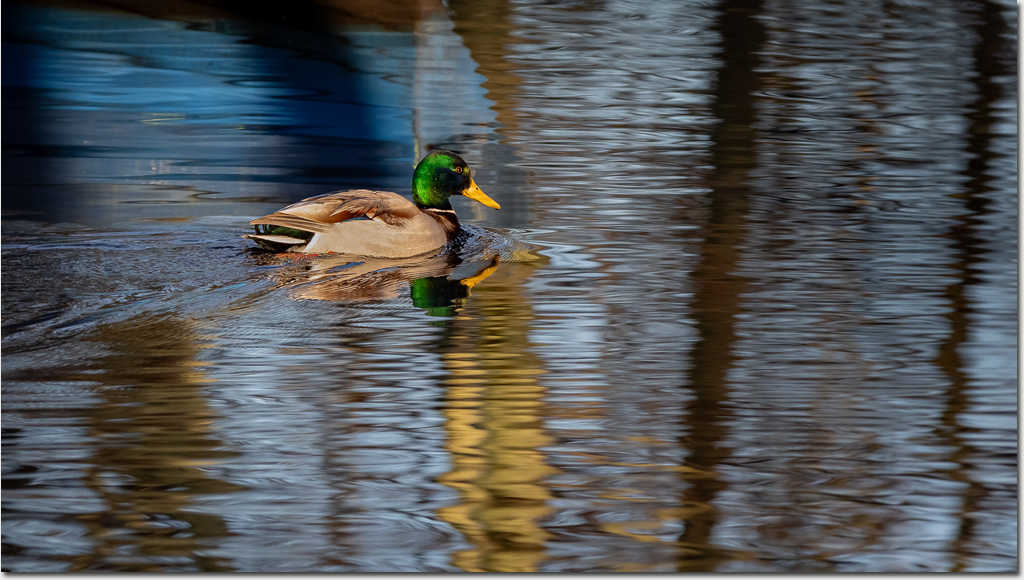
There are ducks a plenty everywhere; it’s the perfect weather for them. For the most part I was ignoring them around me as having been used to being fed by visitors they can become quite annoying.
Suddenly a ray of warm light from the setting sun burst through the Irish winter sky bringing a splash of amazing colour to this lone mallard.
The light only lasted a moment, the duck, oblivious to his moment in the spotlight simply swam on.
#killarney #waterfowl #ducks #mallard #anasplatyrhynchos #reflections #ireland
Monday, January 22. 2024
Messing About in Boats
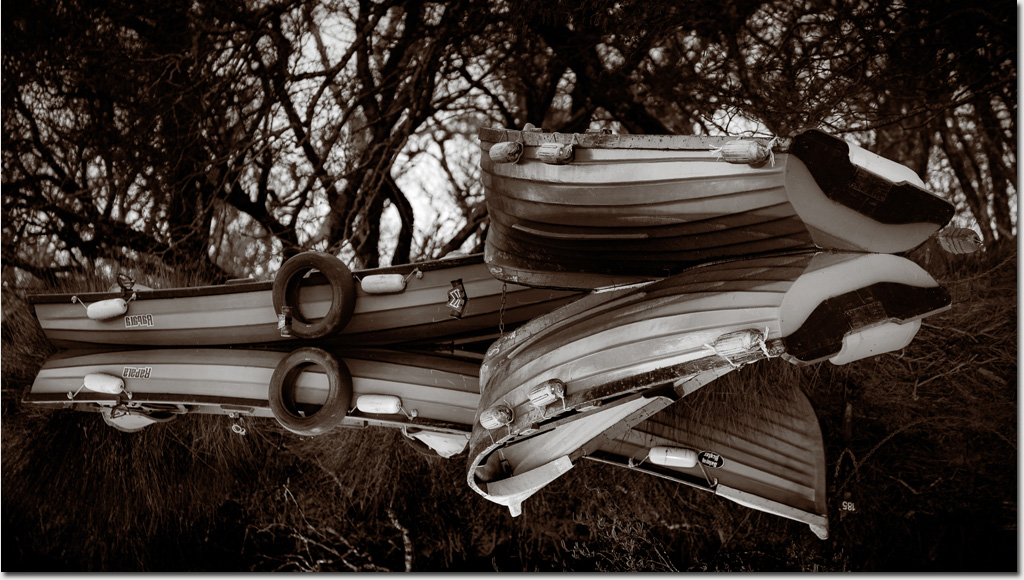
"Believe me, my young friend, there is nothing - absolutely nothing - half so much worth doing as simply messing about in boats." In this case perhaps the title should have been ‘with’ instead of ‘in’.
This quote by Ratty to Mole in the novel 'The Wind in the Willows' echos my own thoughts about boats. Many of my most joyful times have been spent either in them or under them.
These two boats, in the backwaters of Loch Leane, might be docked for now, but come the opening of the season, their owners, fishers for sure, will be be feeling just the same; messing about in boats.
#Killarney #lochleane #boats #reflections #ireland
Saturday, January 20. 2024
Incoming
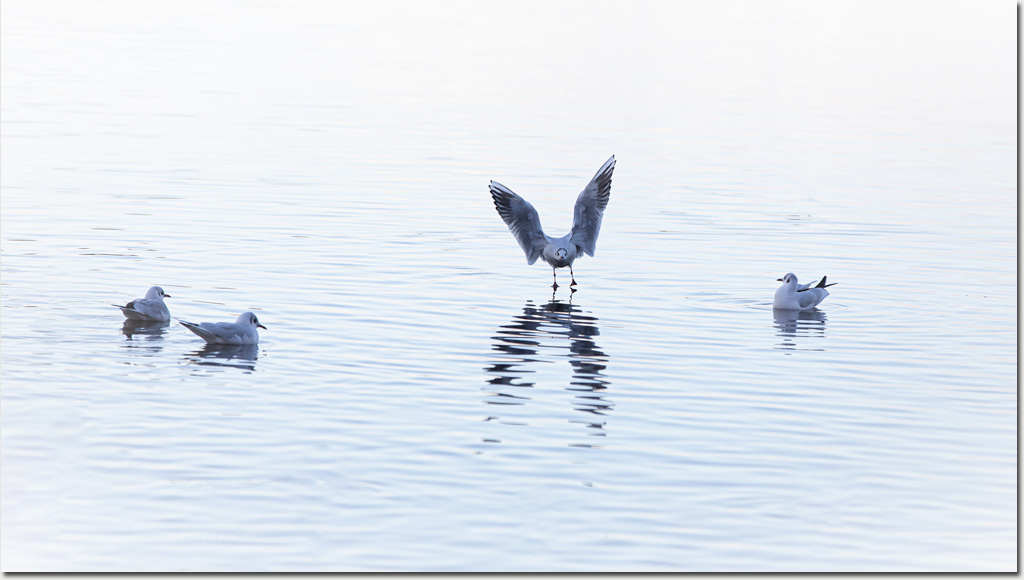
While I’m not the greatest fan of seagulls in populated areas they make for great sport shooting with camera in hand.
Here on the shore of Loch Leane, attracted by the day visitors to Ross Castle, I’ve plenty of opportunity to practice getting these fast moving birds in focus.
My success rate is still not high but with my newfound appreciation of the benefit of seagulls as target practice I can only get better!
#Ireland #landscape #killarney #lochleane #seagulls
Wednesday, January 17. 2024
Last Light Stillness
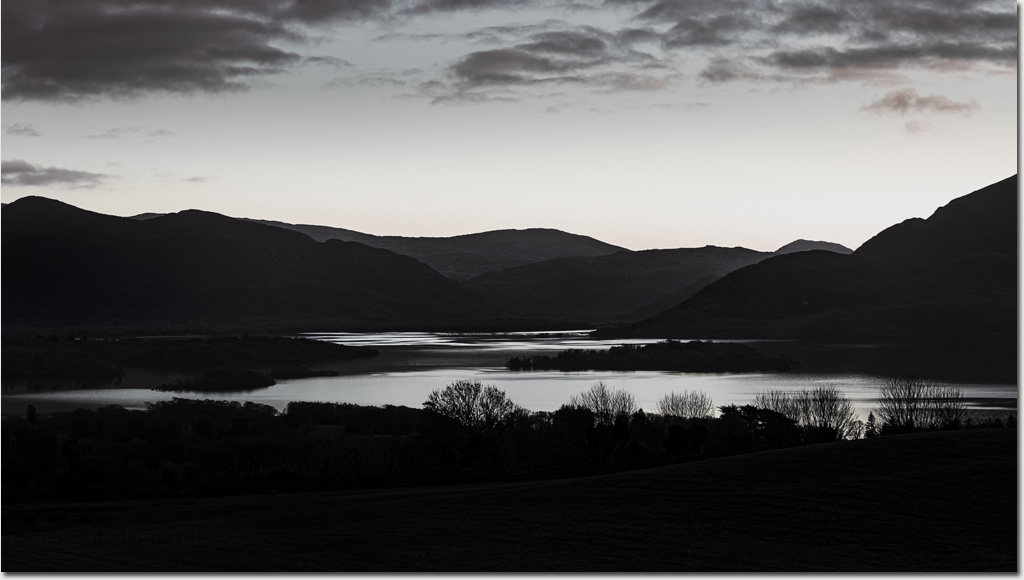
It’s the last light of the day and a stillness has settled on Loch Leane.
Lingering on the balcony, with family inside at dinner, I’m juxtaposed between light and dark, between calm and bustle, between cold and warmth.
I’ll linger just a little longer before saying goodnight to this scene.
#Ireland #landscape #travel #killarney #lochleane #twilight #blackandwhite #siloutte
Monday, January 15. 2024
A Sunday Afternoon Drive in Killarney
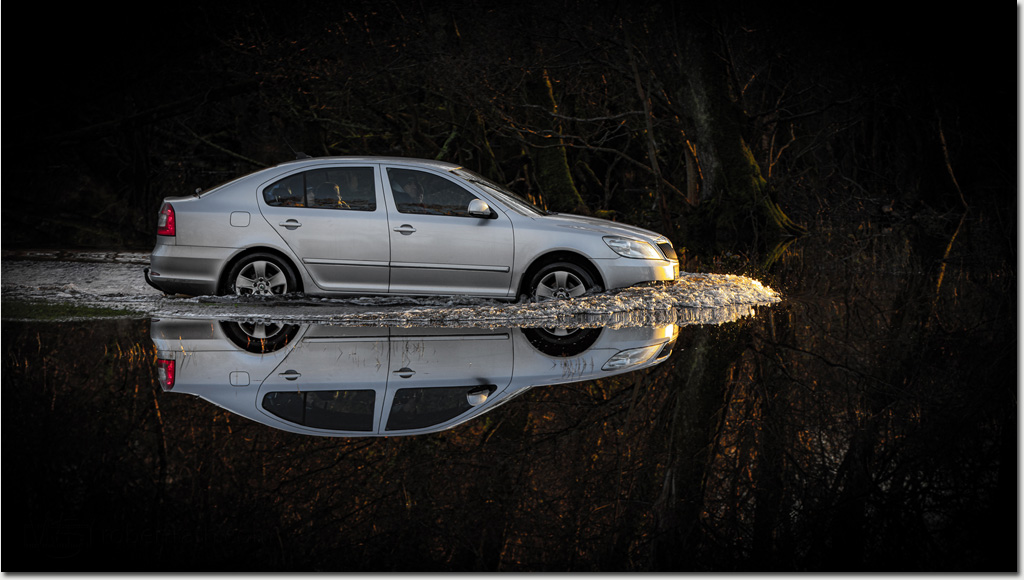
There a good reason why the Irish countryside is so green. It rains a lot!
Still, a bit of rain or its aftermath never stopped a true local from their family Sunday drive.
Just seeming their beaming faces through the car windows says it all.
#ireland #killarney #water #driving
Sunday, January 14. 2024
Pub Time at the Oliver Plunkett
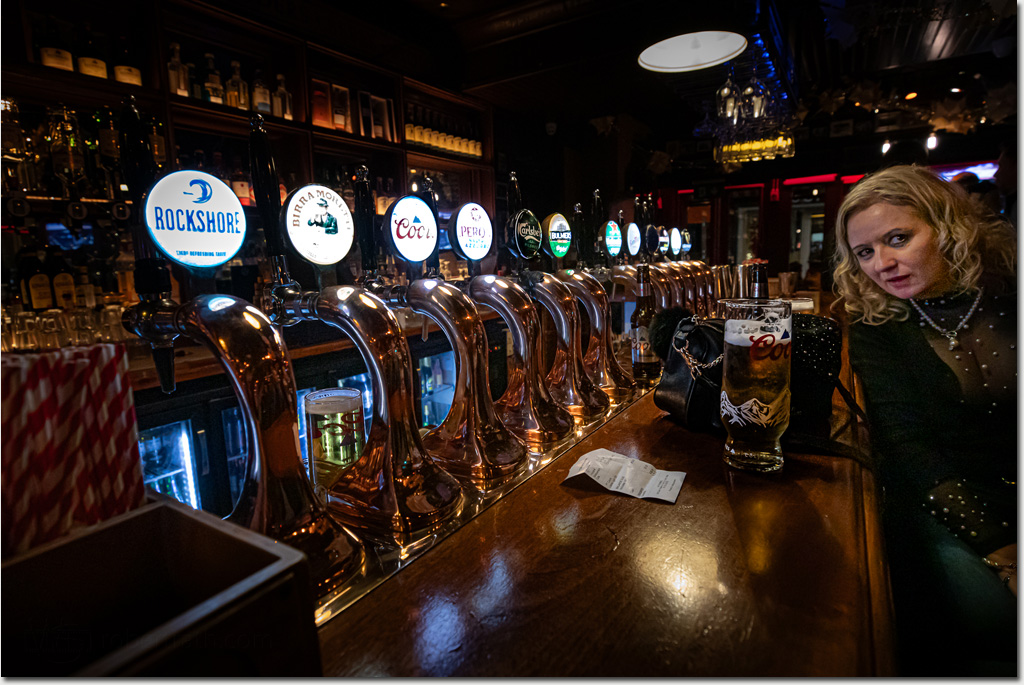
It had to happen sooner or later, a pub session at the Oliver Plunkett in Cork city.
We came in for a quick drink; my first real Guinness in nearly 5 years.
We stayed for meal while being entertained with great live music.
And captured a few images to remember our first night back in Cork.
#Cork #ireland #pub #oliverplunkett #hotel
Friday, January 12. 2024
Lough Leane Sentinel
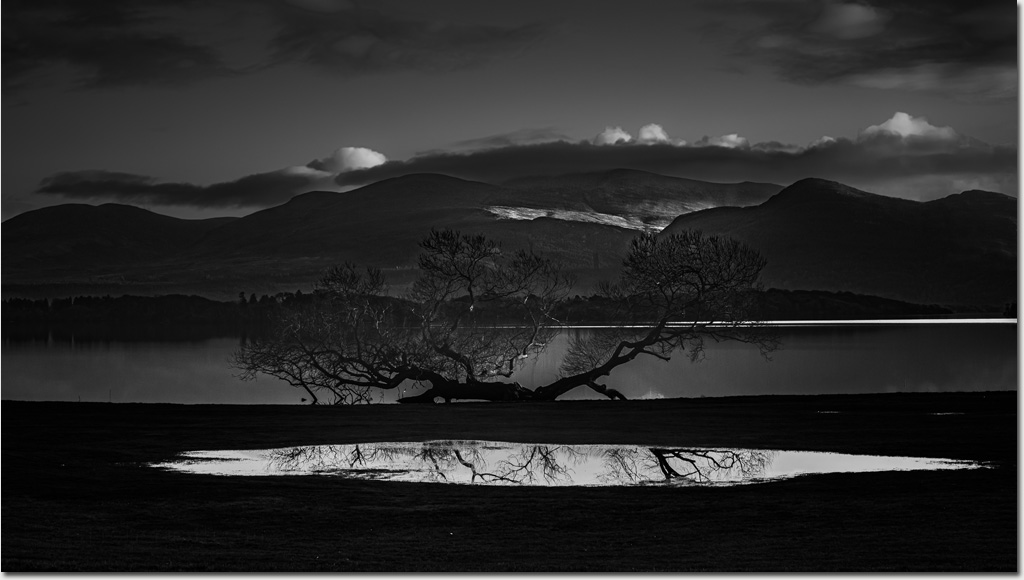
A winter bare tree looks out over Lough Leane.
A stray ray of sunlight hits the mountains of Killarney.
Pool sized puddles bear witness to bad weather.
I’m told January is the worst of it and the weather will only get better.
I’m really not sure what all the fuss is about.
#Ireland #killarney #loughleane #silhouette #blackandwhite #landscape #twilight
Thursday, January 11. 2024
Peeping Out of the Mist
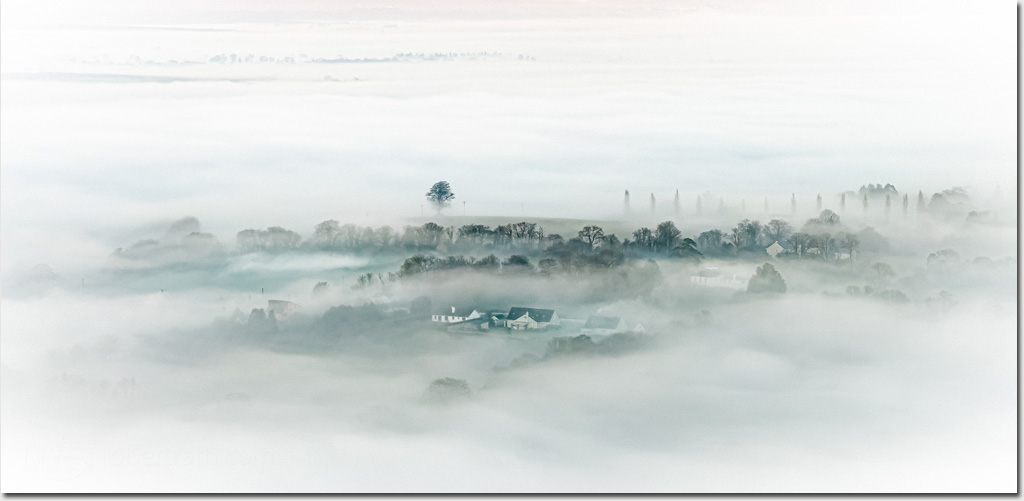
All day long the sun toiled hard to burn away the stubborn clouds. Hiding below, in the gloom, life continued in a manner familiar to anyone living through an Irish winter.
In the distance, defiant at last, a few lucky homes emerge from the mist to glimpse the setting sun.
#Ireland #clouds #village #mist #misty #landscape
Wednesday, January 10. 2024
A Not So Angry Bird
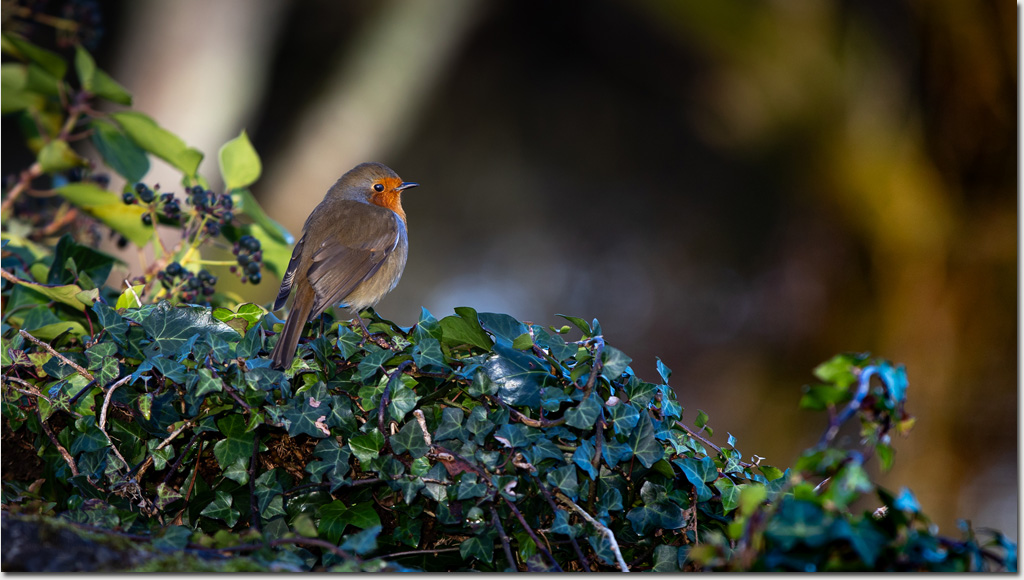
The more I learned about the European Robin the more I wondered where it came in the running relative to the movie character’s actual angry bird, the Northern Cardinal.
Apparently, the friendly and inquisitive robin red breast, one of Ireland’s favourite birds, can develop quite a temper when confronted with another red bearing antagonist.
Fortunately I was wearing green today.
#Ireland #europeanrobin #robin #redbreast #birds #kilarney
Tuesday, January 9. 2024
Land Above the Clouds
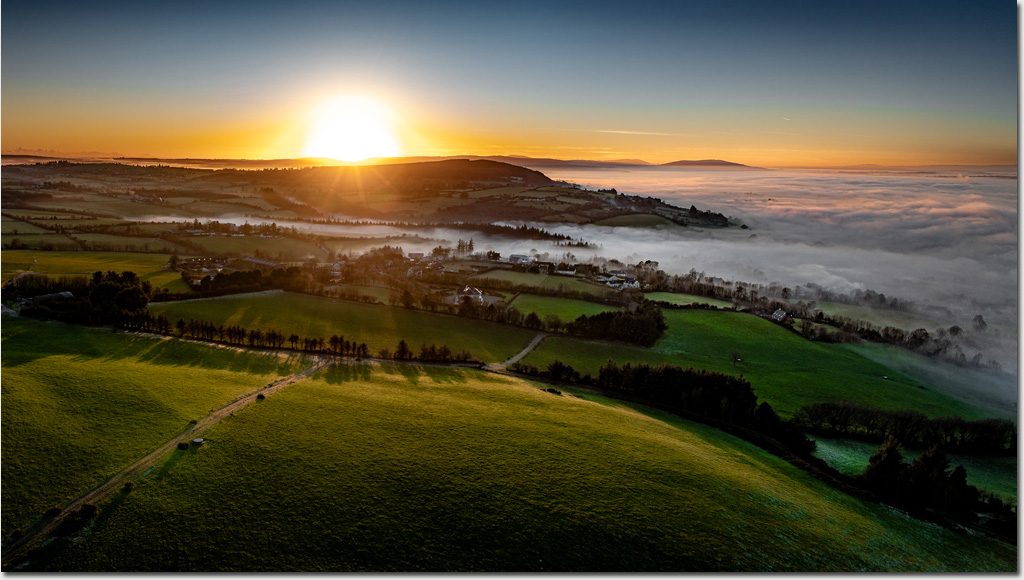
For most of the day we found ourselves shrouded in fog with a landscape of frosted green and white vanishing into the mist less than 50 meters away in all directions.
Where the sun should have been was a vast brightness while somewhere above a hint of blue suggested we had been under a receding ocean of white.
As evening approached, like a tide, the mist ebbed away leaving us in a land above the clouds.
#Ireland #cork #landscape #clouds #aerial #panorama
Subscribe To My Posts
My Networking Sites

Twitter Updates
Calendar

|
June '26 | |||||
| Mon | Tue | Wed | Thu | Fri | Sat | Sun |
| 1 | 2 | 3 | 4 | 5 | 6 | 7 |
| 8 | 9 | 10 | 11 | 12 | 13 | 14 |
| 15 | 16 | 17 | 18 | 19 | 20 | 21 |
| 22 | 23 | 24 | 25 | 26 | 27 | 28 |
| 29 | 30 | |||||
Quicksearch
Archives
Categories
Syndicate This Blog

Blog Administration
random pics
